Ten steps, in this order, on one site.
These are photographs of the actual steps, taken on the factory floor. The order matters: every gate is cheaper than the one after it, and nothing is allowed to skip one.
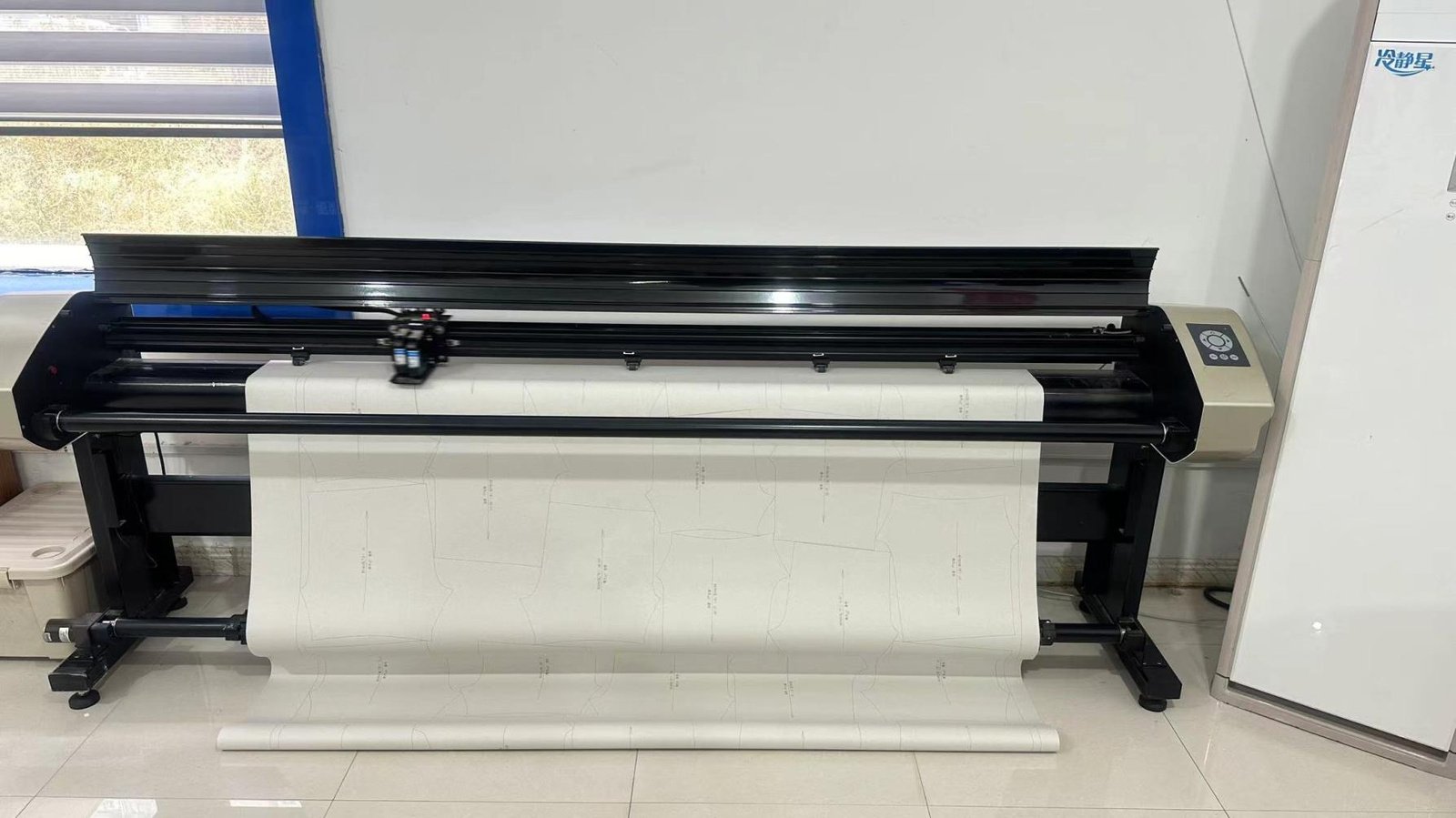
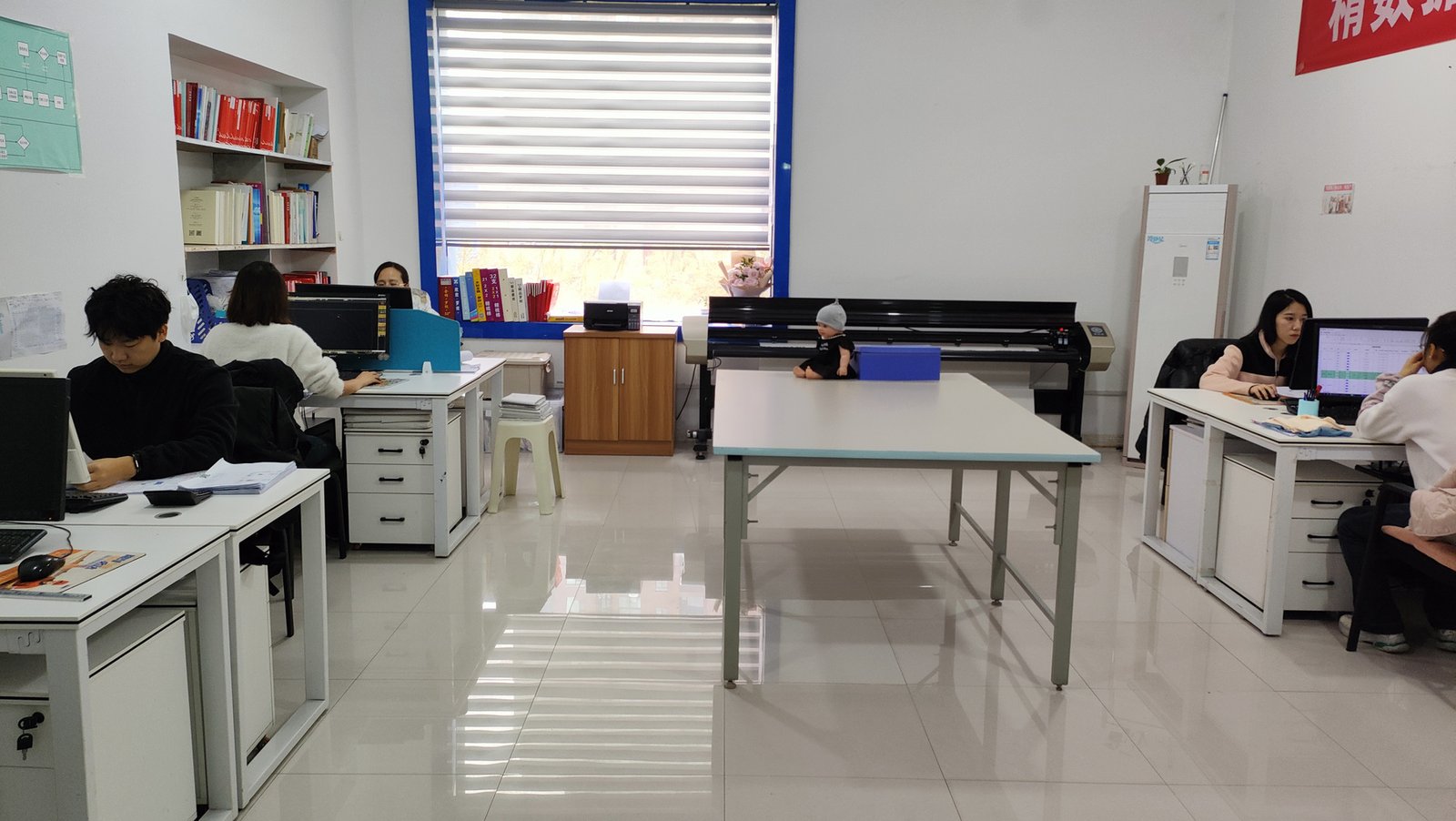
Pattern making
The tech pack or reference sample is turned into a graded pattern and a marker. Ambiguities are raised here, before any fabric is cut.
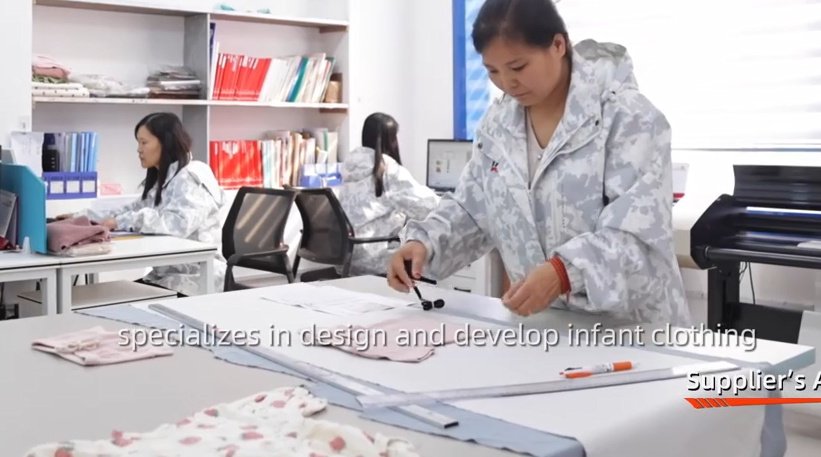
Sample production and approval
A counter sample is made and sent for your comment. Nothing proceeds to bulk until the sample is approved in writing.
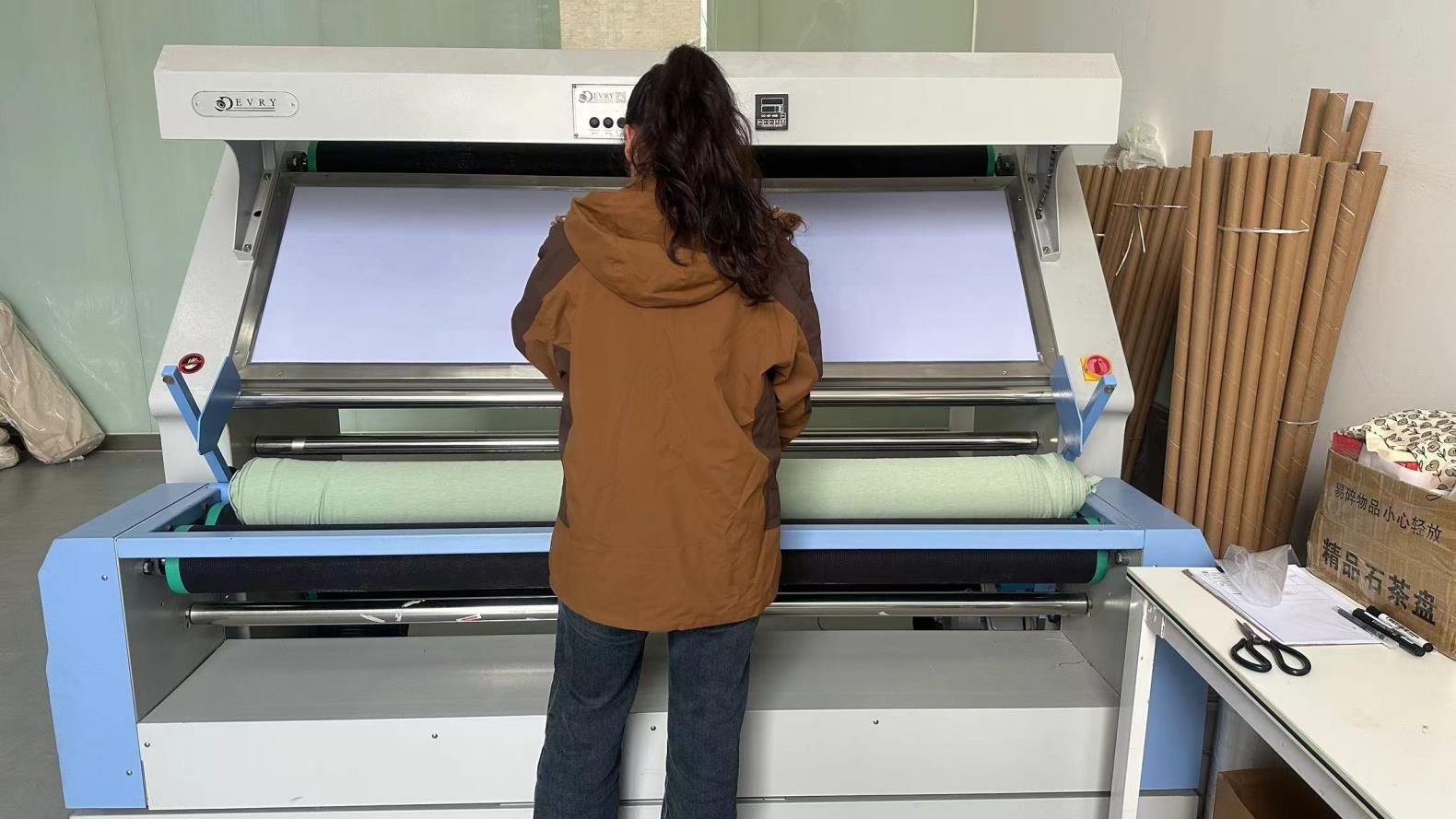
Fabric sourcing and inspection
Fabric is sourced against the approved specification and inspected on receipt — width, weight, shade and faults — before it reaches the cutting table.
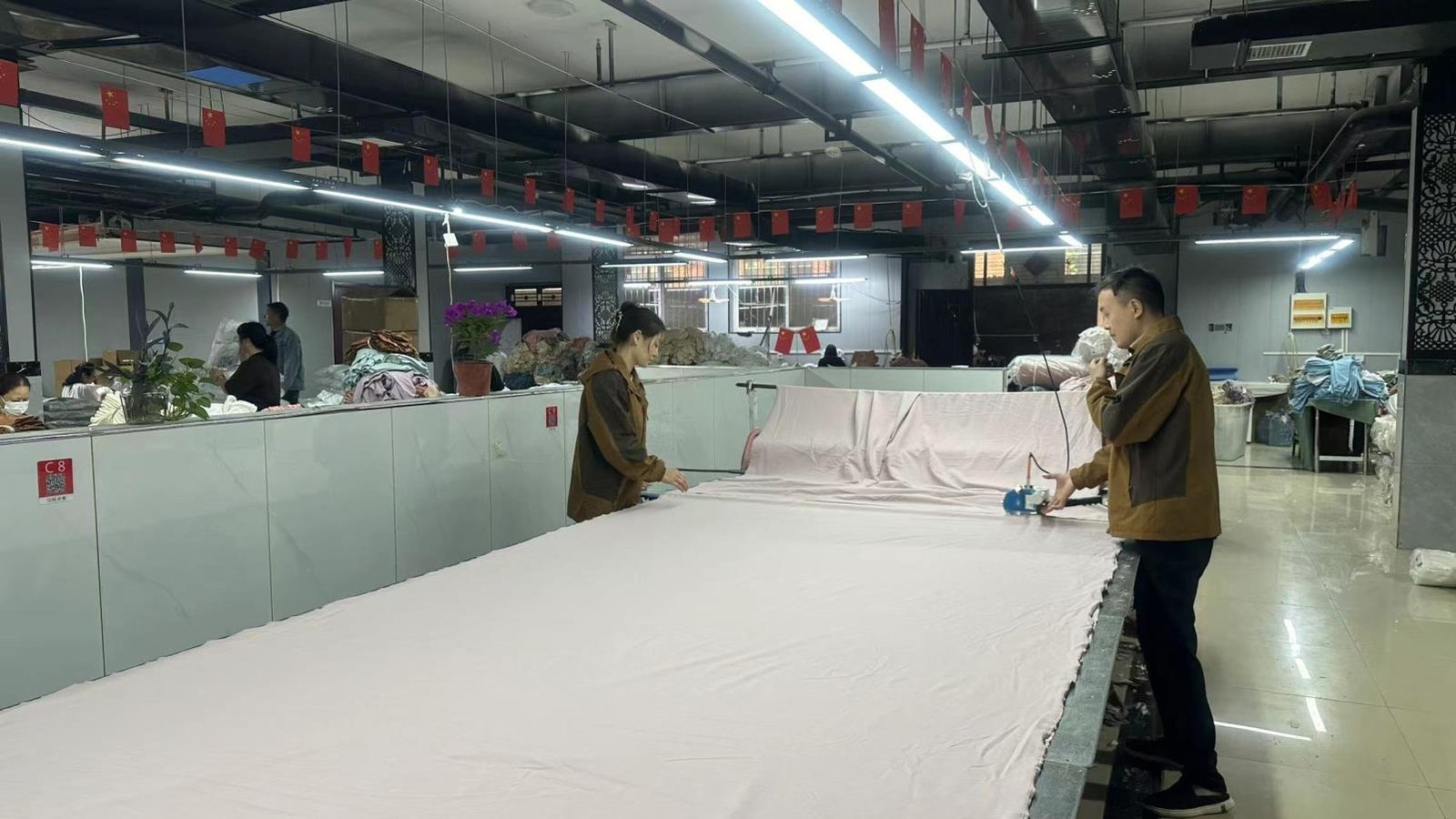
Fabric cutting
Fabric is relaxed, laid and cut to the marker. Cut panels are bundled and numbered by size and shade so a lot cannot drift.
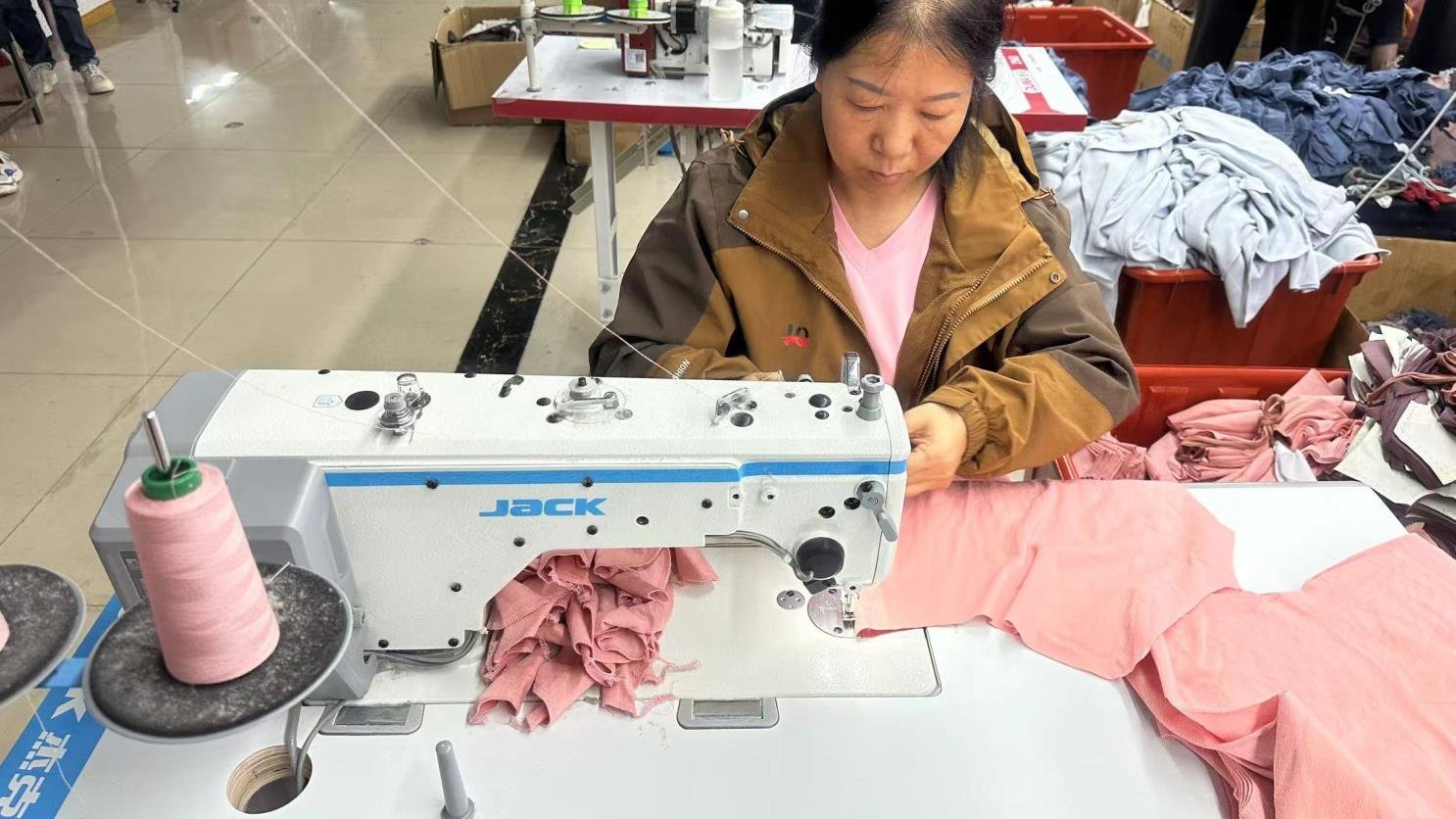
Seaming
Panels are assembled on the line. Inspectors work inline, catching machine settings and measurement drift while the lot is still being made.
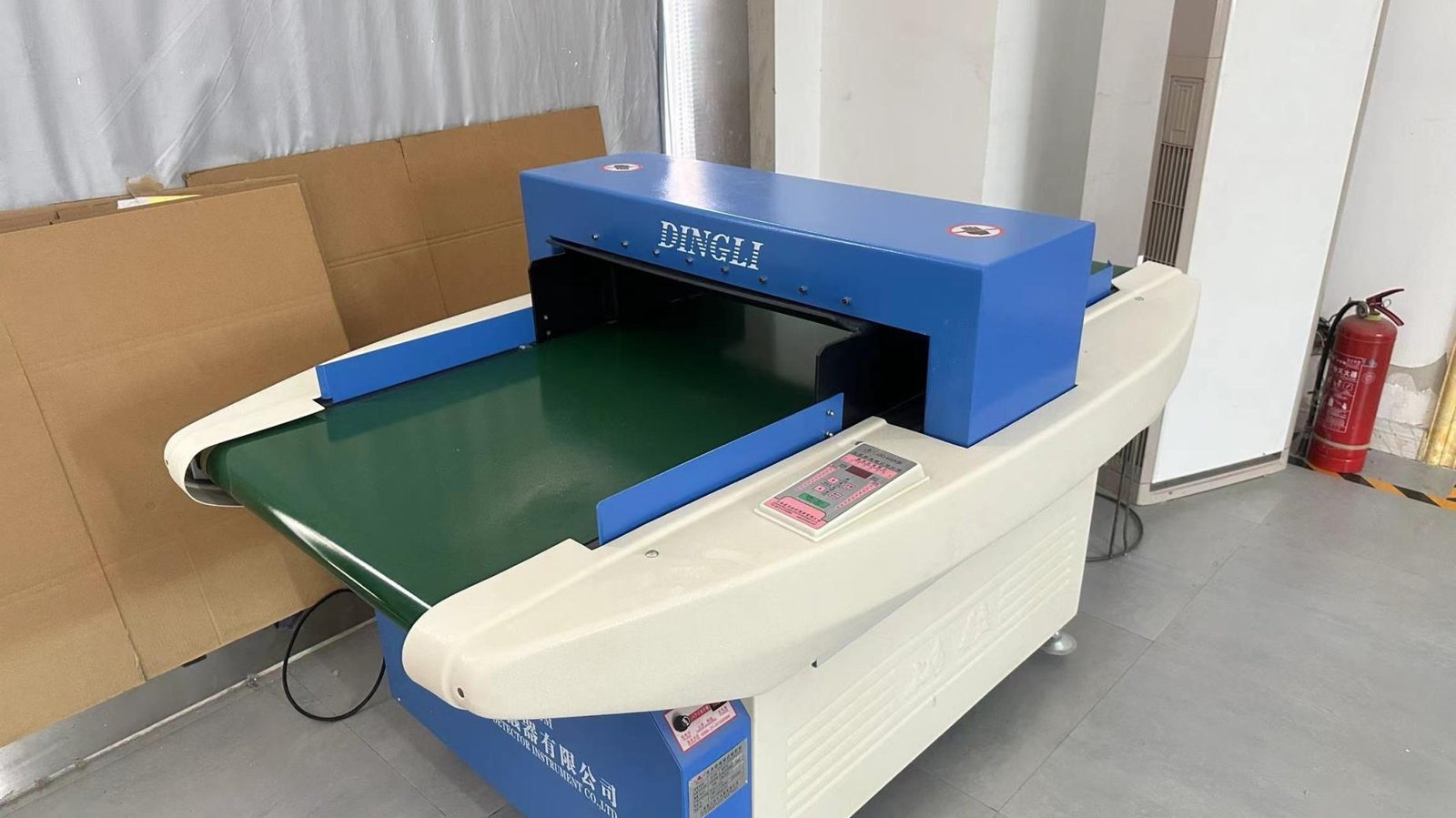
Needle detection
Garments pass a metal detector before packing, to the production and buyer specification. This is a safety control, not a quality one — a broken needle in an infant garment is a hazard.
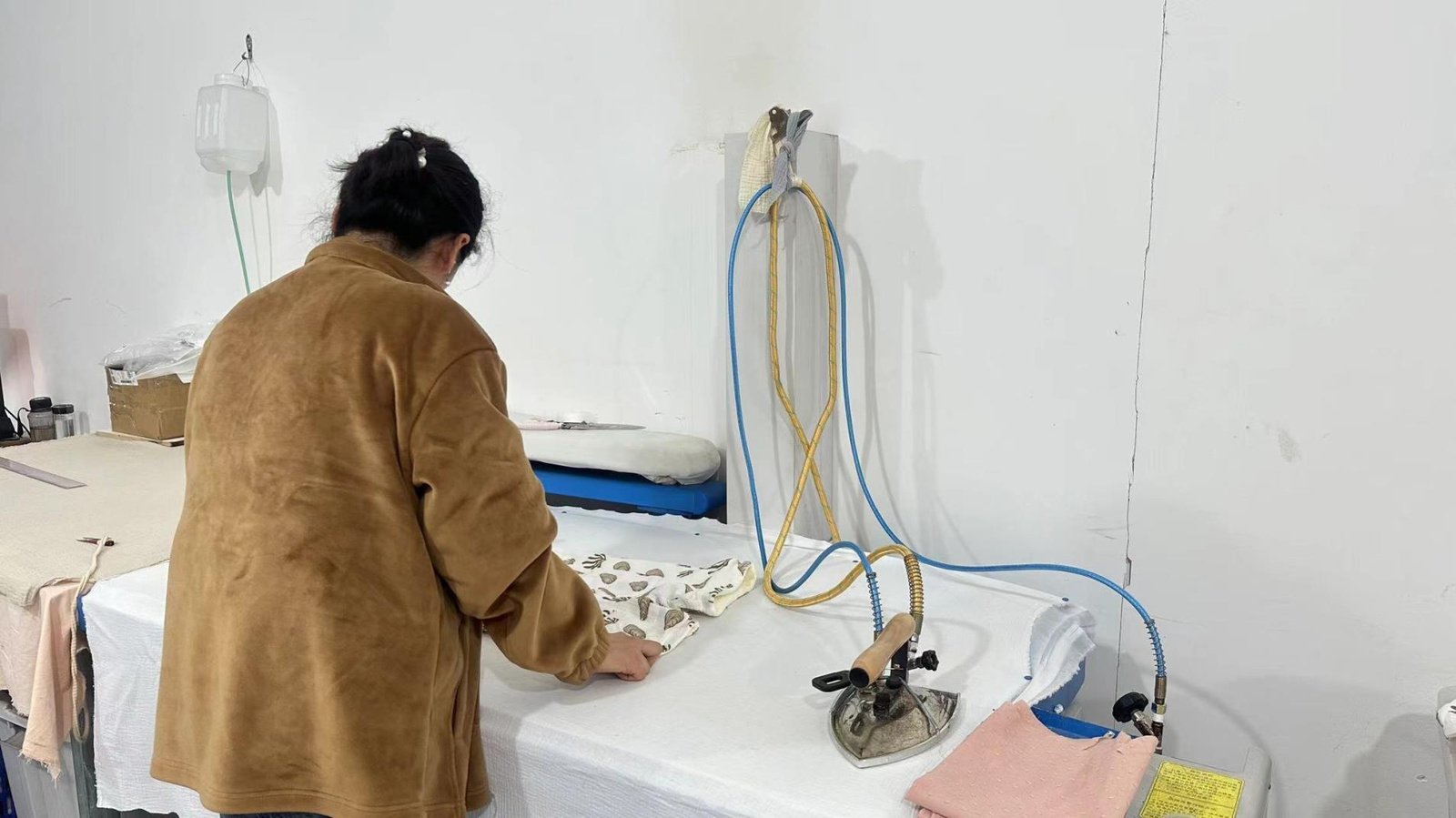
Pressing
Garments are pressed and shaped so measurements settle to the approved specification before final inspection.
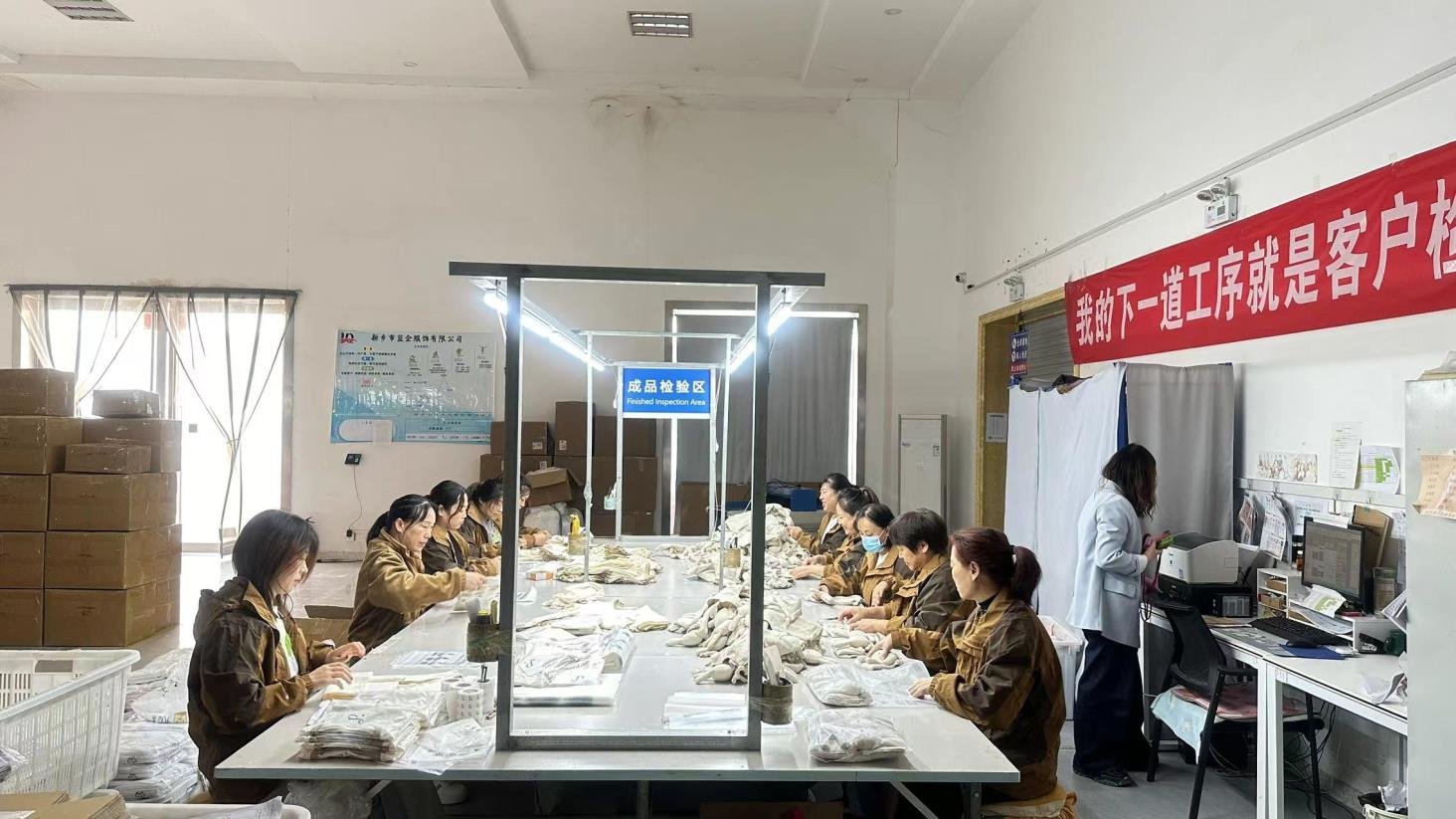
Bagging
Garments are folded, labelled and bagged to your specification, with hang tags and barcodes applied as agreed.
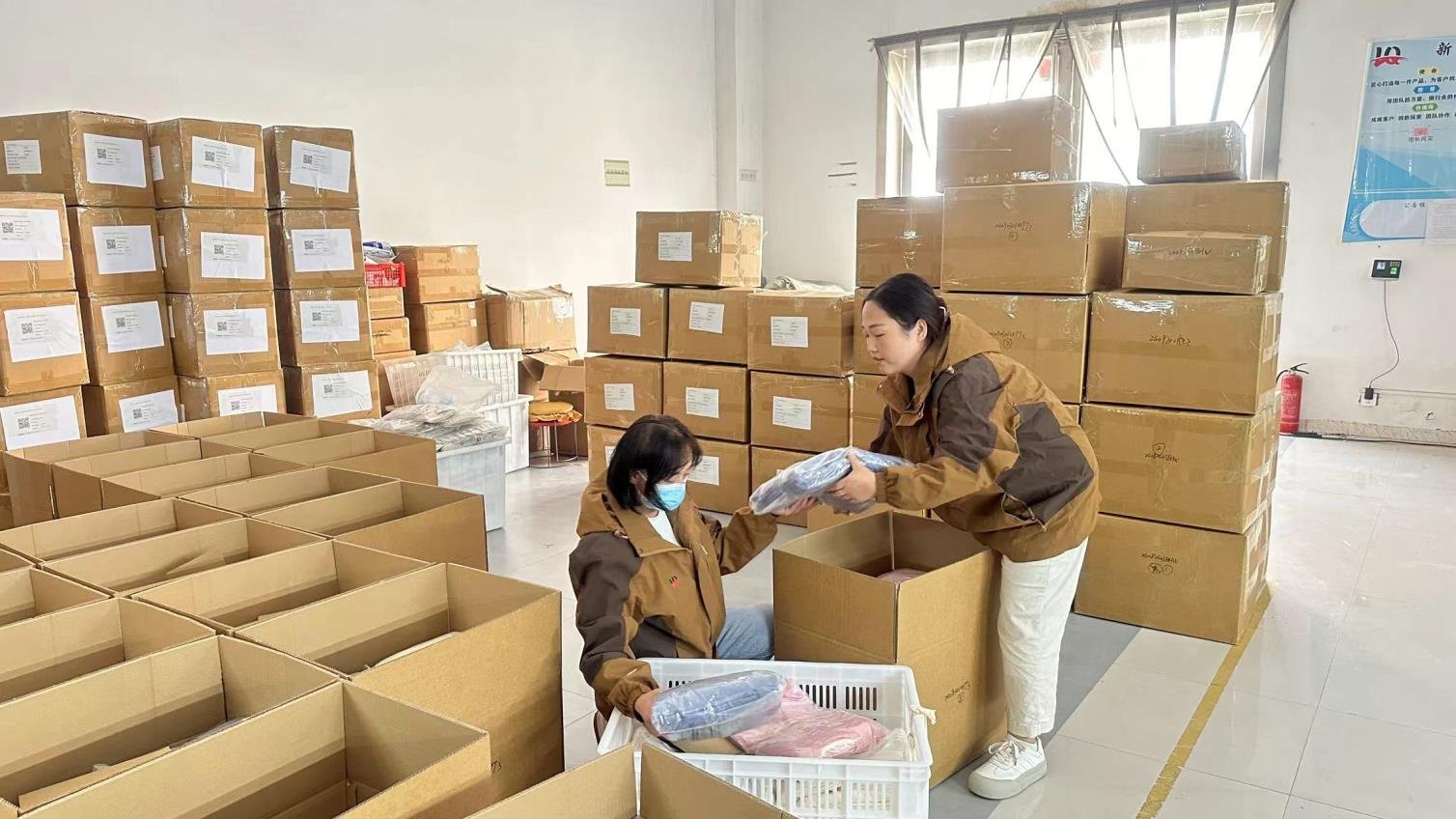
Cartoning
Cartons are packed, marked and weighed to your specification, with a packing list prepared against the order.
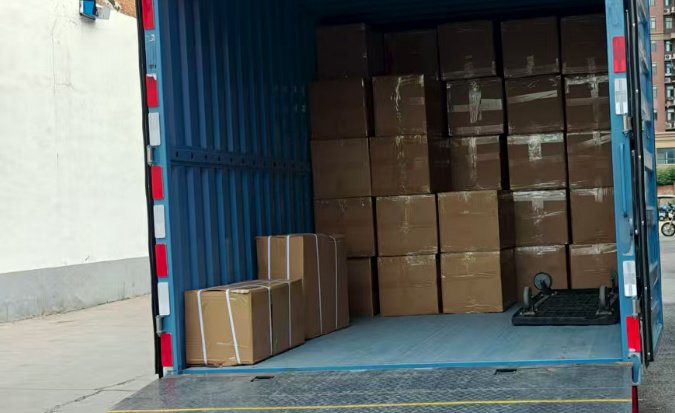
Shipping
Export documents are prepared, cartons are photographed, and the shipment is dispatched on the Incoterm agreed in the quotation.
What happens at each gate
01
Pattern making
The tech pack or reference sample is turned into a graded pattern and a marker. Ambiguities are raised here, before any fabric is cut.
02
Sample production and approval
A counter sample is made and sent for your comment. Nothing proceeds to bulk until the sample is approved in writing.
03
Fabric sourcing and inspection
Fabric is sourced against the approved specification and inspected on receipt — width, weight, shade and faults — before it reaches the cutting table.
04
Fabric cutting
Fabric is relaxed, laid and cut to the marker. Cut panels are bundled and numbered by size and shade so a lot cannot drift.
05
Seaming
Panels are assembled on the line. Inspectors work inline, catching machine settings and measurement drift while the lot is still being made.
06
Needle detection
Garments pass a metal detector before packing, to the production and buyer specification. This is a safety control, not a quality one — a broken needle in an infant garment is a hazard.
07
Pressing
Garments are pressed and shaped so measurements settle to the approved specification before final inspection.
08
Bagging
Garments are folded, labelled and bagged to your specification, with hang tags and barcodes applied as agreed.
09
Cartoning
Cartons are packed, marked and weighed to your specification, with a packing list prepared against the order.
10
Shipping
Export documents are prepared, cartons are photographed, and the shipment is dispatched on the Incoterm agreed in the quotation.
The gates that are not ours
Three of the ten steps depend on someone else's decision, and those are the ones that move the calendar.
- Sample approvalMaking a sample takes days. Approving it takes as long as your side needs to consolidate comments into one list.
- Fabric and dyeA stock quality is available now. A custom knit or a new dye lot has its own lead time, and it is often the longest single step in the chain.
- Trim and label runsCustom labels and tags are printed in runs. If they are late, finished garments wait in the warehouse — the most expensive kind of waiting.
The useful way to plan is backwards from the date the goods need to be sellable, not the date they leave the factory. Those two dates are usually two to five weeks apart.
More from the production flow
Want a dated schedule?
Send the brief and we will give you the calendar with the quotation — including which gates are yours and which are ours.